A+ rating on Better Business BureauGoogle reviews: 5.0Martindale Hubbell Client Rating: 5.0Lawyers.com Client Rating: 5.0Avvo Client Rating: 5.0Facebook Rating 5.0Best Dog Bite Lawyers – Queens, NY (2025) (Expertise.com)Best Bicycle Accident Lawyers – Queens, NY (2025) (Expertise.com)Best Car Accident Lawyers – Middletown, NY (2025) (Expertise.com)A+ rating on Better Business BureauGoogle reviews: 5.0Martindale Hubbell Client Rating: 5.0Lawyers.com Client Rating: 5.0Avvo Client Rating: 5.0Facebook Rating 5.0Best Dog Bite Lawyers – Queens, NY (2025) (Expertise.com)Best Bicycle Accident Lawyers – Queens, NY (2025) (Expertise.com)Best Car Accident Lawyers – Middletown, NY (2025) (Expertise.com)

New York Motorcycle Accident Lawyer Guide

Protecting Riders’ Rights

Motorcycle Accident Claims Guide

Motorcycle crashes can leave riders facing serious injuries, mounting medical bills, and pressure from insurance adjusters. If you were hurt in a motorcycle accident anywhere in New York, you deserve clear guidance and steady support. Ahearne Law Firm PLLC helps injured riders understand their rights, preserve evidence, and pursue compensation through thoughtful, step‑by‑step advocacy. From the Hudson Valley to city streets and rural roads, our office provides accessible communication and practical strategies tailored to the unique risks riders face. We handle negotiations with insurers so you can focus on healing, and we coordinate medical documentation to ensure your losses are fully presented. If you have questions about your next steps, call (845) 986-2777 for a free, no‑pressure case review.

New York law treats motorcycles differently from other vehicles in important ways, especially when it comes to insurance and no‑fault rules. Riders are often exposed to bias during claims, and early mistakes can reduce the value of a case. Prompt medical care, careful documentation, and timely filings are essential. Our firm explains each stage—from initial investigation to settlement discussions and, when necessary, litigation—so you can make informed choices. We gather police reports, witness accounts, video, and crash‑scene details to build a clear picture of what happened. Whether you were struck by a left‑turning driver, hit by a lane change, or injured by a road hazard, we are ready to help you pursue accountability and the compensation the law allows.

Why Legal Help Matters After a Motorcycle Crash

Insurance companies often move quickly after a motorcycle crash, seeking statements and signing of releases before the full extent of injuries is known. Having a legal advocate manage communications helps prevent misunderstandings, preserves leverage, and ensures your medical treatment, lost wages, and future needs are properly documented. Our approach centers on timing, detail, and accuracy: we track deadlines, calculate all recoverable damages, and present evidence in a clear, persuasive way. We also coordinate with your healthcare providers to capture the ongoing impact of pain, therapy, and mobility limitations. By handling the paperwork, negotiations, and strategy, we reduce stress while seeking a resolution that reflects the true cost of the crash.

About Ahearne Law Firm PLLC and Our Approach

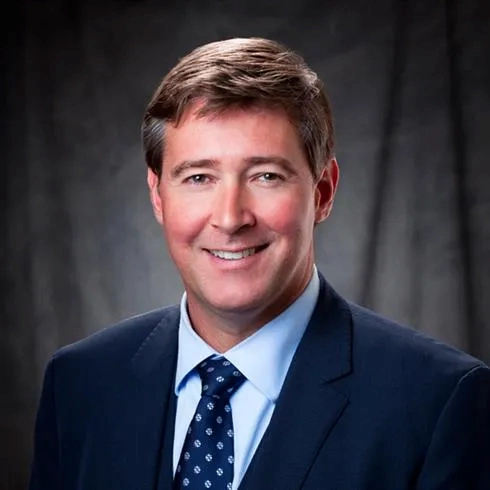
Ahearne Law Firm PLLC serves injured riders throughout New York, with deep roots in the Hudson Valley community. Led by attorney Allan J. Ahearne, Jr., our office focuses on clear communication, careful case development, and accessible counsel. Clients work directly with our team, receiving prompt updates and straight answers to practical questions about treatment, transportation, and insurance benefits. We collaborate with investigators, reconstruction resources, and medical professionals as needed, always with the goal of presenting a complete account of your losses. Whether your case involves serious fractures, traumatic injuries, or contested liability, we bring disciplined preparation to every stage. To discuss your situation, call us at (845) 986-2777.

Understanding New York Motorcycle Accident Claims

Timing can make a significant difference in the strength of a motorcycle claim. Quick medical evaluations create a clear link between the crash and your injuries, and early photographs capture debris, skid marks, vehicle damage, and helmet condition. Witness statements tend to be more reliable when gathered soon after the event, and nearby businesses or residences may have security video that must be preserved. We also examine vehicle data, lighting, and roadway maintenance records when relevant. By assembling these pieces into a coherent timeline, we can better explain how the collision occurred and why a particular party bears responsibility. This careful foundation supports meaningful negotiations and, if needed, a strong presentation in court.

Need More Information?

Key Terms and Glossary

Comparative Negligence

Comparative negligence is a New York rule that assigns responsibility based on each party’s share of fault. If a rider is found partially responsible—perhaps for speed or lane position—the total recovery can be reduced by that percentage. For example, a driver may have turned left without yielding, while the rider was traveling slightly over the limit; both facts are weighed. Even when there is some fault attributed to a rider, compensation is still possible for medical costs, lost wages, and pain and suffering. Understanding how insurers apply this rule helps shape strategy, evidence gathering, and settlement negotiations so that the allocation of responsibility is fair.

No-Fault Exclusion (Motorcycles)

In New York, most motorcycle riders are not covered by traditional no‑fault benefits that automatically pay initial medical bills and lost wages after car crashes. This means riders typically pursue compensation directly from the at‑fault driver’s insurance or from their own policies, such as uninsured or underinsured motorist coverage. The exclusion can create immediate financial pressure if treatment is expensive, so documenting expenses and exploring all available coverage is essential. Promptly notifying the appropriate insurance carriers protects your rights and helps coordinate benefits. Our firm reviews your policies and the other driver’s coverage to identify every potential source of recovery and to manage claims efficiently.

Statute of Limitations

The statute of limitations is the deadline for filing a lawsuit after a motorcycle crash. In many New York personal injury cases, you generally have three years from the date of the accident, but shorter deadlines can apply when municipalities or public authorities are involved. Early action is important because evidence can disappear and witnesses become harder to locate. There may also be strict notice requirements for claims against government entities. Missing a deadline can bar recovery, even when liability is strong. We track every applicable time limit, prepare the necessary filings, and make sure your claim stays on schedule from the start.

Uninsured/Underinsured Motorist Coverage

Uninsured/Underinsured Motorist (UM/UIM) coverage helps protect riders when the at‑fault driver has no insurance or too little to cover the full extent of losses. This coverage can apply to medical costs, lost income, and other damages when the liability policy is insufficient. It often requires careful notice and documentation, and the claim proceeds against your own insurer under the terms of your policy. Coordinating liability and UM/UIM claims demands attention to sequencing and settlement language to avoid waiving important rights. By reviewing policy declarations and exclusions early, we position your case to access every available dollar of coverage allowed by New York law.

PRO TIPS

Document the Scene Thoroughly

If you are able, photograph the vehicles, your motorcycle, skid marks, debris, road surface, signage, and lighting conditions, and note nearby cameras that may have captured the crash. Ask witnesses for contact information and confirm their vantage point, then save your riding gear and helmet without alterations so any damage can be examined later. These steps, taken calmly and promptly, create objective evidence that supports your version of events and helps counter assumptions or bias against riders during negotiations with insurers.

Get Prompt Medical Care

See a doctor right away, even if you feel you can tough it out, because adrenaline can mask symptoms and early records link your injuries to the crash. Follow through with recommended imaging, therapy, and specialist visits, keeping a journal of pain, sleep issues, and activity limits that affect work or household responsibilities. Consistent treatment not only supports recovery but also strengthens your claim by documenting the full scope and duration of your injuries.

Call Before Giving Statements

Insurance adjusters may contact you quickly and ask for recorded statements or signed authorizations that reach far into your medical history. Consider speaking with an attorney first to understand your rights, gather facts, and avoid speculation that could be used to minimize your claim later. With guidance, your communications can remain accurate and focused, while we handle insurer requests and preserve leverage for fair negotiations.

Comparing Your Legal Options in New York

When Full Representation Makes Sense:

Severe Injuries and Long-Term Care

Significant injuries such as fractures, spinal harm, or traumatic brain injuries often carry long‑term costs, including surgeries, therapy, assistive devices, and time away from work. Full representation helps account for future medical needs and wage losses by assembling expert opinions, cost projections, and vocational assessments that insurers may not consider without prompting. This approach aims to secure a resolution that reflects the true lifetime impact of the crash rather than only short‑term bills.

Disputed Liability or Multiple Parties

When the other driver contests fault, or when commercial vehicles, road contractors, or municipal entities may share responsibility, investigations become more complex. Full representation coordinates evidence from scene analysis, vehicle data, maintenance records, and witnesses, while managing communications among multiple insurers and defense teams. With a structured strategy and clear documentation, your claim can move forward efficiently even when responsibility is heavily contested.

When Limited Help May Work:

Clear Fault and Minor Injuries

If liability is straightforward, injuries are minor, and treatment resolves quickly, limited legal assistance focused on valuation and paperwork may be appropriate. In these situations, guidance can center on gathering bills and records, confirming wage losses, and presenting a concise demand with supporting photographs and repair estimates. The goal is a timely and fair settlement that avoids unnecessary cost while still protecting your rights.

Quick Property Damage Resolution

When injuries are minimal and the main issue is damage to your motorcycle and gear, a targeted approach may help expedite payment for repairs or replacement. Assistance might include reviewing estimates, confirming fair valuation, and addressing diminished value where appropriate. Clear documentation and direct communication with the carrier often lead to faster resolutions without the need for extended involvement.

Common Motorcycle Accident Situations We Handle

aa1

New York Motorcycle Accident Attorney

Why Hire Ahearne Law Firm PLLC for Motorcycle Accident Claims

Our firm focuses on thorough preparation and attentive client service, from initial consultation through resolution. We start by listening to your story and mapping a plan that fits your priorities, whether that is timely settlement, continued treatment coordination, or preparing for litigation if necessary. We gather and organize medical records, wage documentation, and photographs, while managing insurer communications so you do not have to. With roots in the Hudson Valley and cases handled across New York, we understand local courts, insurers, and common roadway hazards riders face. We aim for clear, consistent updates, and every decision is made together with you. Call (845) 986-2777 to discuss your options.

Riders benefit from a law firm that values details, timing, and practical problem‑solving. We coordinate with your providers to document progress and limitations, calculate all categories of damages, and explore every available insurance policy, including UM/UIM coverage. Our negotiations emphasize the full scope of your losses—medical needs, time off work, and the day‑to‑day effects of pain and restricted activity. When questions arise about repairs, rental vehicles, or billing, we help find workable answers. If settlement talks stall, we are prepared to move forward with filings that keep your claim on track. You focus on recovery; we focus on presenting your case with clarity and persistence.

Call for a Free Case Review

People Also Search For

New York motorcycle accident lawyer

Hudson Valley motorcycle injury attorney

NY motorcycle crash claim

motorcycle accident compensation New York

comparative negligence motorcycle NY

uninsured motorist motorcycle claim

no-fault rules for motorcycles NY

motorcycle accident law firm Hudson Valley

Related Services

FAQS

What should I do after a motorcycle accident in New York?

Start by getting medical attention, even if you feel okay, because symptoms can develop hours or days later. Call the police and ensure a report is filed, then gather photographs of vehicles, your motorcycle, the roadway, skid marks, debris, and nearby cameras. Ask witnesses for contact information, and avoid discussing fault at the scene. Do not post about the crash on social media. Notify your insurance company promptly, but consider consulting an attorney before giving a recorded statement to any insurer. If possible, keep your helmet and riding gear unchanged, as damage can help demonstrate impact forces. Maintain a journal of pain levels, sleep disruption, and limits on work or daily activities. Collect medical bills, prescriptions, and receipts related to treatment and transportation. Early legal guidance can help preserve evidence, identify all potential insurance coverage, and manage communications with adjusters so your claim proceeds on solid footing.

In many New York personal injury cases, you generally have three years from the date of the accident to file a lawsuit, but deadlines can be shorter in special circumstances. If a municipal entity may be responsible for road maintenance or a public vehicle was involved, strict notice rules may apply within a much shorter timeframe. Because evidence fades and deadlines vary, it is wise to get advice as soon as possible after a crash. There are also timelines for insurance notifications and procedures under uninsured or underinsured motorist coverage. Missing a deadline can limit or even bar recovery, regardless of how strong liability appears. Our firm tracks each applicable date, prepares the necessary documents, and ensures your case progresses before any limitations expire. A quick call can clarify which deadlines apply to your situation and how to protect your rights.

Helmet use is strongly encouraged for safety, and New York law requires most motorcyclists and passengers to wear helmets. If you were not wearing one, you may still pursue compensation, but the insurance company may argue that some injuries were worsened by the lack of a helmet. The impact on your claim depends on the specific injuries and medical evidence connecting them to helmet use or non‑use. New York’s comparative negligence rules could reduce recovery by any percentage of fault assigned to you. That does not necessarily prevent a recovery; it simply means the final amount may be adjusted. We work with medical documentation to distinguish injuries that a helmet would not have prevented from those where it could matter. This careful differentiation helps present a fair evaluation of damages, even when helmet use becomes a point of contention.

Traditional no‑fault benefits that pay initial medical expenses and lost wages for car occupants generally do not apply to motorcycle riders in New York. As a result, injured riders usually seek compensation directly from the at‑fault driver’s liability carrier or from their own uninsured or underinsured motorist coverage. This difference can affect how early medical bills are handled and which policies are available to cover losses. Because riders are outside the no‑fault system, prompt identification of all applicable insurance is important. We review policy declarations, investigate the at‑fault driver’s coverage, and coordinate claims in a way that protects your rights. Gathering medical records, wage documentation, and crash evidence early helps support a strong liability presentation and complete accounting of damages. Our goal is to keep treatment moving while pursuing the compensation the law allows.

Recoverable damages can include medical expenses, future treatment costs, rehabilitation, lost wages, reduced earning capacity, and out‑of‑pocket expenses related to your injuries. Pain and suffering, loss of enjoyment of life, and the impact on day‑to‑day activities may also be part of a claim, supported by medical records, therapy notes, and personal documentation. Property damage to the motorcycle and gear, as well as diminished value, can be addressed as well. Thorough documentation is essential to present a complete picture of how the crash affected your life. We work with you and your providers to collect records and opinions that quantify short‑ and long‑term consequences. By organizing bills, imaging, work restrictions, and witness statements, we aim to negotiate from an informed and persuasive position. If settlement is not reasonable, litigation remains available to seek the compensation allowed under New York law.

Fault is determined by examining traffic laws, driver behavior, and objective evidence from the scene. We evaluate police reports, photographs, dashcam or security video, vehicle damage patterns, and the positions of cars and motorcycles. Witness statements and measurements of sightlines, skid marks, and lighting conditions help recreate what happened. In complex cases, accident reconstruction resources may assist in clarifying speed, timing, and maneuvering. New York applies comparative negligence, which means each party can be assigned a percentage of fault. Even if a rider is found partly responsible, recovery may still be available, reduced by that percentage. Our job is to gather and present the facts that accurately reflect the conduct of each person involved. With a strong evidentiary foundation, we seek a fair allocation of fault and a result that accounts for the true causes of the collision.

Be cautious about speaking with the other driver’s insurer before understanding your rights. Adjusters may ask for recorded statements or broad medical authorizations that reach far beyond what is necessary, and early comments can be taken out of context. It’s reasonable to provide basic information like contact details and the date of the crash, but consider legal guidance before discussing fault or injuries in detail. With an attorney handling communications, you can avoid misstatements and ensure responses are accurate and complete. We coordinate the exchange of documents, medical records, and photographs in a way that supports your claim and protects your privacy. If a recorded statement is appropriate, we prepare with you so facts are clear and consistent. This approach helps maintain leverage during negotiations and reduces the risk of undermining your own case.

Case value depends on many factors, including liability, the severity and duration of injuries, medical costs, time away from work, and long‑term effects on daily life. Insurance policy limits, available UM/UIM coverage, and evidence quality also play significant roles. Early settlement figures can be misleading if they do not account for future care or complications. A careful evaluation looks beyond initial bills to the total impact of the crash. We review medical records, consult with treating providers, and document how injuries affect your routine, mobility, and career. Photographs, repair estimates, and witness statements help round out the picture. After assembling this information, we prepare a demand that reflects both current and anticipated losses. While no attorney can promise a specific outcome, a thorough, evidence‑based approach gives your case the best opportunity for a fair resolution.

Many motorcycle accident claims settle without a trial, especially when liability is clear and injuries are well documented. Settlement can offer faster resolution and reduced uncertainty. However, if the insurer disputes fault or undervalues the claim, filing a lawsuit may be necessary to protect your rights and encourage a fair outcome. Litigation timelines vary by county and court schedules. From the outset, we prepare your claim as if it may be presented in court, gathering the evidence needed for both negotiation and potential trial. This preparation helps negotiations because insurers see the case is ready to proceed. If the case does go to court, you will be guided through each step, including discovery, depositions, and, if needed, a jury trial. The decision to settle or try a case is always made with your goals at the forefront.

We provide attentive service focused on evidence, timing, and communication. From your first call, we evaluate coverage, explain New York’s unique rules for motorcycles, and begin preserving proof—photographs, video, witness details, and medical records. We coordinate with your providers to document treatment and develop a plan for presenting your injuries, wage losses, and daily limitations. You receive regular updates and clear guidance on next steps. When dealing with insurers, we handle statements, document exchanges, and settlement negotiations so you can focus on recovery. If talks stall, we are prepared to file and litigate to keep your claim moving forward. Our goal is straightforward: build a clear case, present it with strength, and pursue the compensation the law allows. Call Ahearne Law Firm PLLC at (845) 986-2777 to discuss your situation in a free case review.

Legal Services